Do You Need Japanese Encephalitis Vaccination?
You are planning a trip to Asia and wondering whether Japanese encephalitis vaccination is something you should arrange before you go. The answer depends on where you are travelling, how long you will be there, and what you will be doing. This guide helps you work out whether the vaccine is essential, optional, or not needed for your trip.
What Is Japanese Encephalitis?
Japanese encephalitis is a viral infection spread by mosquitoes. It is found across Asia, from Japan and South Korea in the north to Australia in the south, and from India in the west to the Philippines in the east. Most people infected have no symptoms or mild illness. A small proportion develop severe brain inflammation, which can cause permanent disability or death.
The risk to any individual traveller is low, but it rises with the length of your stay, the season, and the specific regions you visit.
Do You Actually Need This Vaccine?
The answer depends on three main factors: where you are going, how long you are staying, and what kind of travel you are doing.
Short city breaks in major urban centres carry minimal risk. If you are spending a week in Bangkok, Singapore, or Hong Kong and staying in air-conditioned hotels and restaurants, vaccination is not routinely recommended.
Rural or agricultural areas carry higher risk, especially during the rainy season (May to October in most regions). If you are trekking, camping, or staying in rural villages, the risk is real enough that vaccination becomes sensible.
Longer stays of four weeks or more anywhere outside major cities increase risk substantially. If you are working, volunteering, or studying in Asia for a month or longer, vaccination is worth considering even in lower-risk areas.
The season matters. Japanese encephalitis is most common during and just after the rainy season. Winter travel in Southeast Asia carries lower risk than summer travel.
High-Risk Travellers: You Should Consider Vaccination
You should seriously consider the vaccine if you are doing any of the following:
Spending more than a month in Asia outside major cities. Travelling to rural areas, farms, or rice-growing regions. Visiting during the rainy season (May to October). Working or volunteering in healthcare, agriculture, or community settings. Travelling with young children, who may be at higher risk of severe disease if infected.
Low-Risk Travellers: Vaccination Is Optional
You may not need vaccination if you are doing any of the following:
Spending less than two weeks in major cities. Staying in well-developed tourist areas with good accommodation. Travelling during the dry season (November to April). Keeping to standard tourist activities and avoiding rural areas.
Even if you fall into this group, some travellers choose vaccination for peace of mind. It is a personal choice.
Regions: Where the Risk Is Highest
Southeast Asia (Thailand, Cambodia, Laos, Vietnam, Myanmar) has the highest risk, especially in rural areas during the rainy season.
South Asia (India, Nepal, Bangladesh) carries moderate to high risk in rural regions.
East Asia (Japan, South Korea, China) has lower risk in most areas, though cases do occur.
Indonesia and the Philippines have moderate risk, particularly in rural areas.
Australia has very rare cases in the far north.
Check before you fly for the most current situation in your specific destination.
How the Vaccine Works
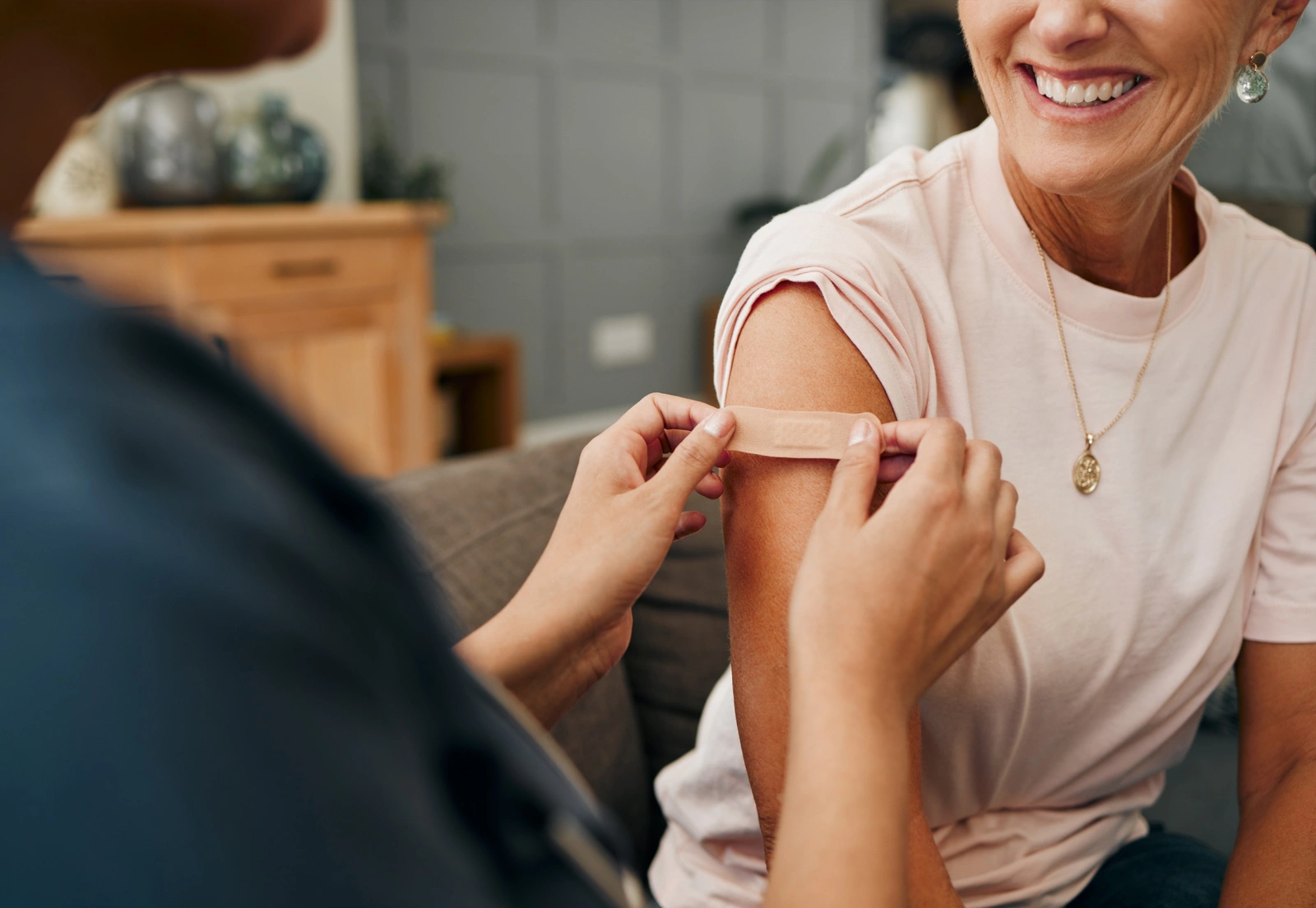
The Japanese encephalitis vaccine is given as a injection. Most travellers need two doses, given 28 days apart. You should complete the course at least one week before you travel, though two weeks is better to allow your immune system to respond fully.
The vaccine protects around 90 percent of people who receive both doses. Protection lasts for at least three years, possibly longer.
Side Effects and What to Expect
Most people have no side effects or only mild ones. Common effects include arm soreness, mild fever, or headache for a day or two. Serious side effects are very rare.
If you have a severe allergy to any component of the vaccine, or if you are pregnant, tell your pharmacist before the appointment. If you are immunocompromised or have a chronic illness, seek personalised advice from your GP or travel clinic before booking.
Common Questions
Can I get the vaccine on the same day as other travel vaccines?
Yes, most travel vaccines can be given together or on the same day. Your pharmacist will advise on the best schedule for your trip.
How much does the vaccine cost?
Costs vary. Contact South Ealing Pharmacy for current pricing and to discuss whether your travel insurance might cover the cost.
Is the vaccine available on the NHS?
Japanese encephalitis vaccination is not routinely available on the NHS. It is offered privately through travel clinics and some pharmacies.
What if I am allergic to eggs?
Tell your pharmacist about any egg allergy. Some formulations may not be suitable, but alternatives exist.
How long does immunity last?
Protection lasts at least three years after the full two-dose course. A booster may be recommended if you travel again after three years.
Can I get the vaccine if I am pregnant?
Pregnancy is generally considered a reason to delay non-urgent vaccination. Discuss your specific situation with your GP or travel clinic.
What if I only have one week before I travel?
A single dose offers some protection, though two doses are recommended. Discuss timing with your pharmacist as soon as possible.
Should my children have the vaccine?
Children can receive the vaccine from two months of age. If your child is travelling to a high-risk area, discuss vaccination with your GP or travel clinic.
Book Your Travel Appointment
If you have decided that Japanese encephalitis vaccination is right for your trip, or if you want to discuss your specific itinerary with a travel health professional, South Ealing Pharmacy in Ealing offers travel clinic appointments. You can book online to choose a date and time that suits you, and the team can advise on all the vaccinations and preventive measures you need for your destination. We can also arrange other travel vaccines, antimalarial tablets, and travel health advice in one appointment.