At a glance
You are deciding between injectable and tablet-based weight loss treatments. Both can work, but they suit different people. Injections tend to produce faster results and require less daily effort. Tablets demand consistency but offer flexibility and lower upfront cost. The right choice depends on your needle anxiety, lifestyle, how often you can take medication, and your weight loss goals.
Option Best for Frequency Results timeline Injectable (GLP-1) Faster results, busy schedules Once weekly 4-8 weeks Oral tablets Daily routine, needle anxiety Once or twice daily 8-12 weeks
Injectable weight loss treatments
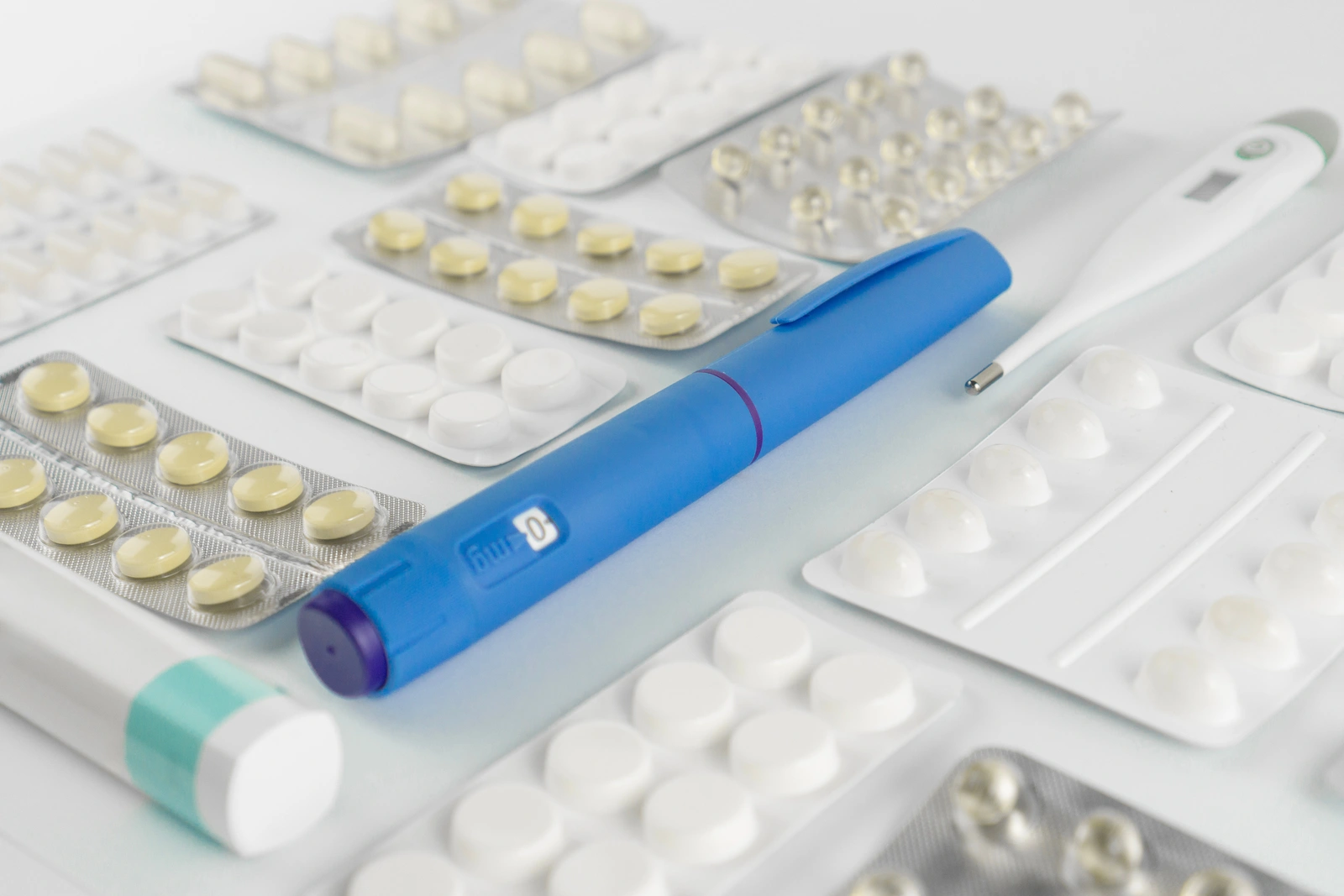
Injectable GLP-1 receptor agonists like Mounjaro and Wegovy work by mimicking a hormone that controls hunger and blood sugar. You inject once a week under the skin, usually in the thigh or abdomen. The dose starts low and increases gradually over several weeks.
Who it suits: People who prefer not to think about medication daily, those with busy or unpredictable schedules, and anyone wanting faster, more dramatic weight loss. If you travel frequently or forget to take tablets, injections remove that barrier.
Who it does not suit: People with a strong needle phobia, those who cannot attend regular clinic visits for dose adjustments, or anyone with a history of thyroid cancer or pancreatitis (you will need to discuss this with your pharmacist or GP first).
Practical notes: You need an initial consultation. Doses are titrated upwards every few weeks, so you attend the pharmacy several times in the first two to three months. Once stable, you may need less frequent check-ins. Cost is higher upfront, but many patients see noticeable weight loss within four to eight weeks. Nausea is common in the first two weeks but usually settles.
Oral weight loss medications
Tablets like orlistat work differently: they block fat absorption in your gut rather than reducing appetite. You take them with meals, usually two or three times daily. Other oral options work on appetite centres in the brain, similar to injections but taken by mouth.
Who it suits: People comfortable with a daily routine, those with needle anxiety, anyone wanting a gentler approach, and people managing weight loss alongside other tablets they already take. Oral medications cost less and need fewer clinic visits.
Who it does not suit: People who cannot remember to take medication consistently, those eating very high-fat diets (orlistat works best with moderate fat intake), or anyone needing rapid weight loss for a specific deadline.
Practical notes: Results are slower and more modest than injections, typically appearing after eight to twelve weeks. You need fewer clinic visits once started. Some tablets cause digestive side effects like loose stools or urgency, especially if you eat fatty food. Cost per month is lower, making them accessible if budget is a concern.
How to choose
Speed matters most: Choose injections. You will see results faster and the weekly routine is easier to remember than daily tablets.
Budget is tight: Choose oral tablets. Upfront cost is lower, and you avoid the expense of frequent clinic visits in the early weeks.
You have a needle phobia: Choose tablets. Oral options are just as legitimate and many people succeed with them.
You travel or have an unpredictable routine: Choose injections. One injection a week is simpler than remembering tablets at different times.
You are already taking several tablets: Choose injections. Adding more pills to a daily routine increases the risk of missed doses.
You want to ease into weight loss: Choose tablets. They feel less intense and allow you to adjust gradually.
You have had previous side effects from medications: Discuss both options with a pharmacist. Your medical history may favour one over the other.
Common questions
Can I switch from tablets to injections later? Yes. Many people start with tablets and move to injections if they want faster results. Your pharmacist can advise on timing and how to transition safely.
Which one is more effective? Injections typically produce greater weight loss, but both work. Effectiveness also depends on diet, exercise, and how consistently you use the medication. Tablets work better for some people than others.
What if I stop the medication? Weight often returns gradually. These are tools to help you change habits, not permanent solutions. Your pharmacist will discuss long-term plans with you.
Can I use either if I have diabetes? Some weight loss medications are also used for diabetes. Tell your pharmacist or GP about any existing conditions so they can recommend the safest option for you.
How much weight can I expect to lose? This varies widely. Injections average 10-15% of body weight over six months. Tablets typically produce 5-10%. Individual results depend on your starting weight, diet, and activity level.
Are there any foods I cannot eat? With injections, no specific restrictions. With orlistat tablets, high-fat foods can cause digestive side effects, so a moderate-fat diet works best. Your pharmacist will give you detailed dietary guidance.
Can I use these while pregnant or breastfeeding? No. Both injections and tablets are not recommended. Discuss contraception and family planning with your pharmacist or GP before starting.
What happens next
You do not need to choose today. South Ealing Pharmacy in Ealing offers consultations for both injectable and oral weight loss treatments. A pharmacist will review your medical history, discuss your goals and lifestyle, and help you decide which option suits you best. You can book your appointment online and choose a time that fits your schedule. If you have questions before booking, the pharmacy team are happy to talk through your options by phone. Same-day and evening appointments are often available.
Weight loss treatment works best when you feel confident in your choice. Take time to think about what matters most to you, then get in touch.