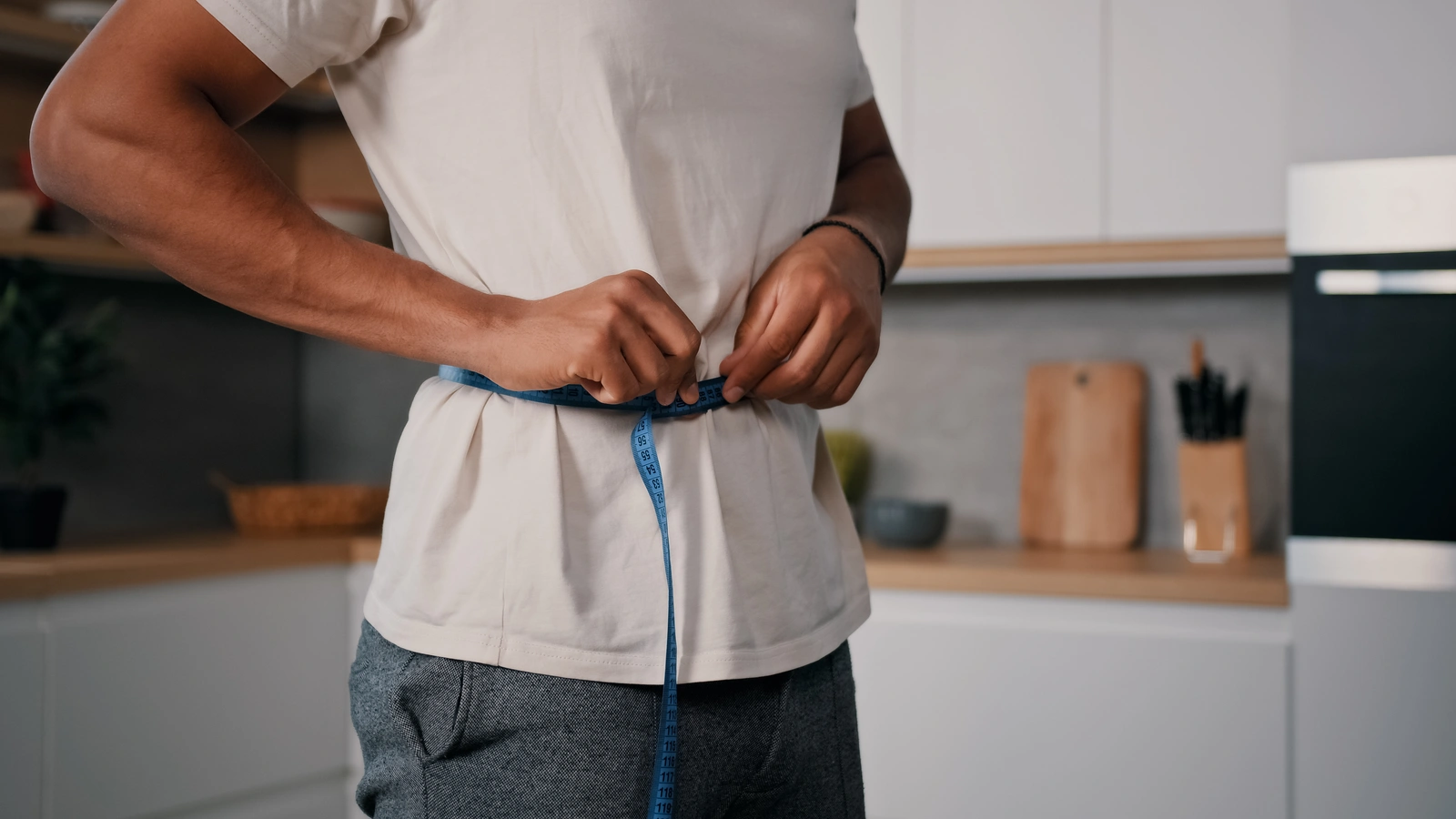
The Challenge You're Facing
You've completed your course of weight loss injections and achieved real results. Now comes the harder question: how do you keep the weight off when the medication stops?
Many people find that the months after finishing injections are when weight loss becomes most difficult. The injection provided appetite control and metabolic support. Without it, old eating patterns can creep back in, and weight can return quickly. But stopping injections does not mean losing the progress you have made. With the right plan, you can maintain your weight loss and build habits that last.
This guide explains what happens when you stop injections, why weight regain happens, and the practical steps you can take to stay on track.
What Happens When You Stop Injections
Weight loss injections like semaglutide (Wegovy) and tirzepatide (Mounjaro) work by reducing appetite and helping your body use blood sugar more effectively. They make you feel fuller for longer and reduce cravings.
When you stop the injections, these effects gradually wear off over several weeks. Your appetite returns to normal. Your brain signals hunger differently. The metabolic advantage you had starts to fade.
This is not failure. It is simply how your body works. The injections were a tool to help you lose weight and learn new eating patterns. The goal was always to transition to habits you can maintain without them.
The risk period is the first three to six months after stopping. This is when most weight regain happens, often because people return to their previous eating habits without realising it. If you have a plan in place before you stop, you are far more likely to keep the weight off.
Building Your Maintenance Plan Before You Stop
The best time to prepare for stopping injections is while you are still taking them.
Work with your pharmacist or doctor to identify which eating habits have genuinely changed. Are you eating smaller portions naturally? Have you cut out certain foods or drinks? Are you moving more? These are the changes worth protecting.
Write down the specific habits that made the injections work for you. Was it eating protein at every meal? Drinking more water? Avoiding late-night snacking? Having a regular meal time? These details matter because they are what you will rely on after the injections stop.
Discuss with your pharmacist whether a gradual reduction in dose might suit you better than stopping suddenly. Some people benefit from tapering off over a few weeks rather than stopping at once.
Nutrition After Stopping Injections
Your diet is the foundation of weight maintenance. The injections helped you eat less. Now you need to eat well.
Focus on protein at every meal and snack. Protein keeps you fuller for longer and preserves muscle mass. Aim for at least 25 to 30 grams per meal. This might be chicken, fish, eggs, Greek yoghurt, beans, or lentils.
Eat plenty of vegetables and whole grains. These are filling and nutrient-dense. They help you feel satisfied on fewer calories without feeling deprived.
Drink water before and with meals. Thirst is often mistaken for hunger, especially in the first weeks after stopping injections.
Avoid keeping trigger foods in the house if you know they lead to overeating. You do not need to ban foods entirely, but having them easily available makes maintenance harder.
Eat at regular times. Skipping meals or eating at random times makes it harder to recognise hunger and fullness cues. A routine helps your body settle into a sustainable pattern.
Movement and Activity
The injections may have made it easier to move more because you felt less sluggish and had more energy. Keep that momentum going.
Aim for at least 150 minutes of moderate activity per week. This could be brisk walking, cycling, swimming, or any activity that raises your heart rate. You do not need a gym membership. A daily walk around South Ealing is a good start.
Add strength work twice a week if you can. This preserves muscle mass, which helps keep your metabolism steady as you age.
Find activities you actually enjoy. If you hate running, do not run. If you like walking with a friend or a class at a local leisure centre, do that instead. Sustainability matters more than intensity.
Monitoring and Adjusting
Weigh yourself once a week at the same time of day. Do not obsess over daily fluctuations, which are normal. Look at the trend over a month.
If you gain 3 to 5 pounds over a month, make small changes now rather than waiting. This might mean slightly smaller portions, more vegetables, or an extra walk each week.
If you gain more than that, or if you feel your habits slipping, contact your pharmacist. You may benefit from a short course of injections again, or from more intensive support.
Keep a simple food diary for the first month after stopping. You do not need to count calories obsessively, but writing down what you eat helps you notice patterns and spot where old habits are creeping back.
When to Seek Pharmacy Support
You do not have to manage this alone. South Ealing Pharmacy offers ongoing support for weight management after injections stop.
A pharmacist can review your eating and activity habits, spot where you are struggling, and help you adjust your plan. They can also discuss whether a repeat course of injections might help if you find maintenance very difficult, or whether other medications or approaches might suit you.
Some people benefit from regular check-ins in the first few months after stopping. Others do better with a single review at the three-month mark. Your pharmacist can tailor the support to what you need.
Common Questions
How much weight do people usually regain after stopping injections?
This varies widely. Some people keep most of the weight off because they have genuinely changed their habits. Others regain weight gradually if they return to old eating patterns. The difference is usually habit, not the injection itself.
Can I take injections again if I regain weight?
Yes. Some people use injections for a few months, stop, maintain for a while, then take another course if needed. Discuss this with your pharmacist or doctor. It is a valid approach for long-term weight management.
What if I feel hungry all the time after stopping?
Increased hunger is normal in the first few weeks. It usually settles after four to six weeks as your body adjusts. Eating more protein and drinking more water helps. If hunger remains intense after two months, speak to your pharmacist.
Do I need to exercise more after stopping injections?
Not necessarily more, but consistency matters. If you were active on injections, keep that up. If you were not, now is a good time to start. Even gentle daily movement helps.
Should I follow a specific diet after stopping injections?
No single diet works for everyone. The best approach is one you can stick to long-term. Most people do well with a balanced diet that includes protein, vegetables, whole grains, and some foods they enjoy. Avoid extreme restriction, which usually leads to regain.
What if I slip up and overeat?
One meal or one day does not undo your progress. Get back on track at the next meal. Perfectionism is the enemy of long-term maintenance. Consistency over time matters far more than perfection.
Ready to plan your weight loss maintenance? South Ealing Pharmacy in South Ealing offers personalised weight management support, including consultations before and after stopping injections. We can help you build a plan that works for your life and check in with you as you transition. Same-day appointments are often available. Book your weight loss consultation today to discuss your maintenance strategy with a pharmacist who knows your situation.