What's happening when your child wakes with ear pain
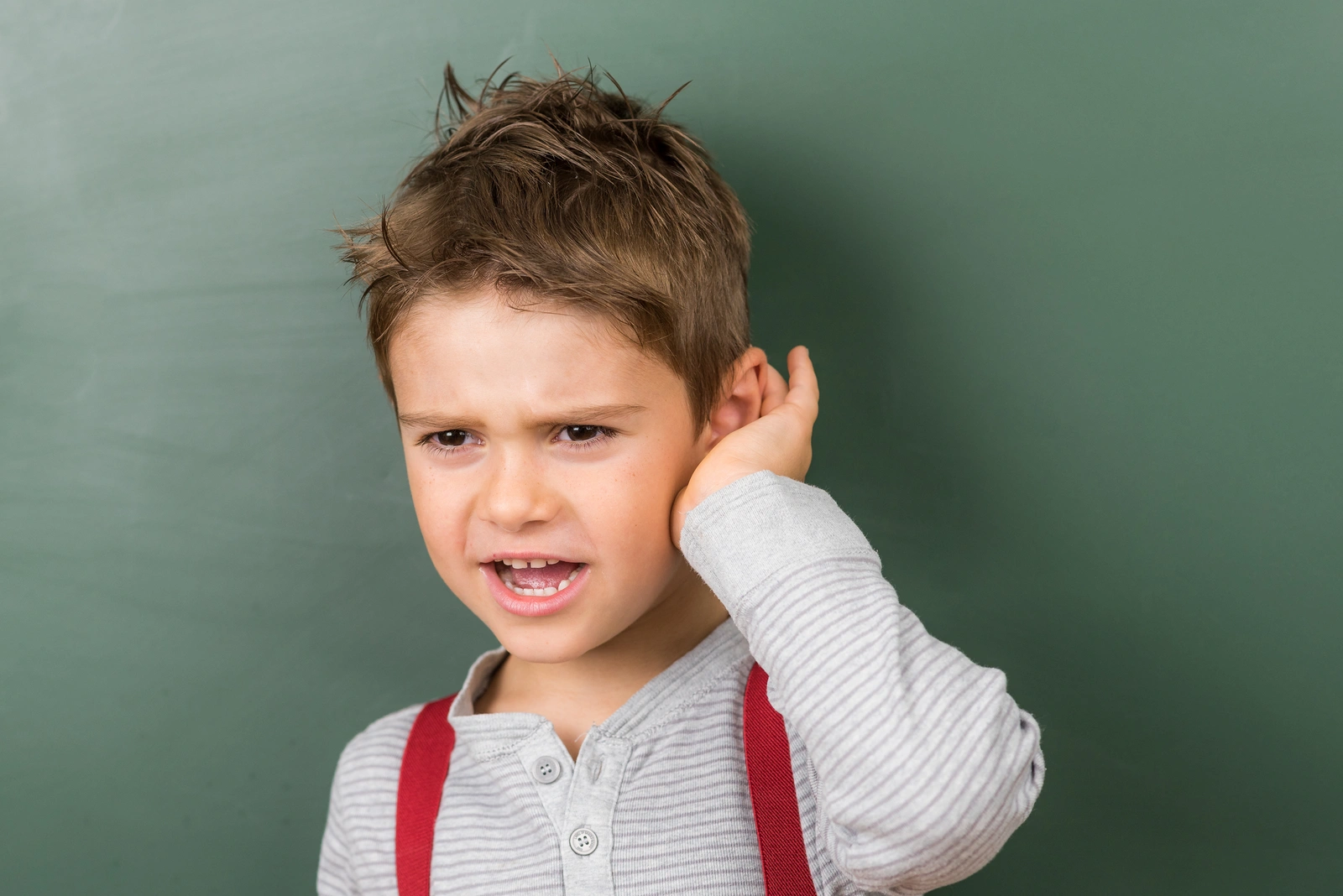
Your child wakes at 2am crying, tugging at their ear. You're not sure if it's serious, what caused it, or what actually helps. Earache in children is common and often resolves on its own, but the pain is real and frightening for both of you.
Most childhood earaches are caused by inflammation or infection in the middle ear (otitis media) or the outer ear canal (otitis externa). Some follow a cold or sore throat. Others happen after water gets trapped in the ear during swimming or bathing. A few are caused by teething, pressure changes, or even wax buildup.
The good news: most earaches in children do not need antibiotics, and many settle within a few days with simple care at home.
Do you need to see someone tonight, or can it wait?
The answer depends on your child's age, the severity of pain, and what else is going on.
See a doctor or go to A&E now if
Your child is under 3 months old and has any ear pain or fever.
Your child has severe pain that does not ease with paracetamol or ibuprofen after a few hours.
Your child has a high fever (above 38.5°C) plus ear pain, or the fever lasts more than three days.
You see pus, blood, or fluid draining from the ear.
Your child has swelling, redness, or warmth behind the ear or on the side of the face.
Your child seems very unwell, drowsy, or difficult to wake.
You can manage at home if
Your child is over 3 months old, the pain is mild to moderate, and they have no fever or a low fever (under 38°C).
The pain started after a cold or sore throat and is improving.
Your child is otherwise well and eating and drinking normally.
If you are unsure, call NHS 111 or your GP surgery. They can advise over the phone.
Managing earache at home: what actually works
Pain relief. Paracetamol or ibuprofen are the first line. Use the correct dose for your child's age and weight, and give it regularly (every 4 to 6 hours for paracetamol, every 6 to 8 hours for ibuprofen) rather than waiting for pain to peak. Do not exceed the maximum daily dose. Ibuprofen may work better for some children because it also reduces inflammation.
Warmth. A warm (not hot) flannel or hot water bottle held against the ear for 10 to 15 minutes can ease discomfort. Make sure it is not so hot it burns the skin.
Positioning. Let your child sleep propped up on extra pillows if they are old enough. Lying flat can increase pressure in the ear and make pain worse.
Ear drops. Over-the-counter ear drops designed for earache can help, but check the label for age suitability. Some contain local anaesthetic and can ease pain quickly. Do not use them if you suspect the eardrum is perforated (if there is discharge from the ear).
What not to do. Do not poke the ear or try to remove wax yourself. Do not let water enter the ear while bathing. Do not use cotton buds inside the ear canal.
When to see your pharmacist or GP
Book an appointment with your GP or visit a pharmacy if:
Your child's pain does not improve after 48 hours of home care.
The pain is getting worse.
Your child has had repeated earaches in the past few months.
There is discharge from the ear.
Your child has hearing loss or balance problems.
Your child is very young (under 2 years) and you want professional reassurance.
Your pharmacist can assess the ear, advise on pain relief, and recommend whether your child needs to see a GP. If an infection is suspected, your GP may prescribe antibiotics, though many earaches resolve without them.
Common questions
Can earache be caused by teething? Yes. Teething pain can sometimes feel like ear pain because the nerves overlap. If your child is around 4 to 7 months old and has swollen gums, teething rings, and no fever, teething is likely. Pain relief and teething rings help. If there is fever or the pain is severe, see a GP to rule out infection.
Is it safe to use ear drops on a young child? Most over-the-counter ear drops are safe from 3 months onwards, but always check the label. Do not use them if the eardrum might be perforated. If you are unsure, ask your pharmacist before buying.
Why does earache hurt more at night? Pain often feels worse when your child is lying down because fluid in the middle ear presses on the eardrum. Lying flat also removes the distraction of daytime activity. Propping your child up can help.
Will my child need antibiotics? Not always. Many viral earaches resolve on their own within a few days. Your GP will only prescribe antibiotics if they think a bacterial infection is likely or if your child is very young or unwell. Finishing the full course is important if antibiotics are given.
Can I prevent earaches? You cannot always prevent them, but you can reduce risk. Keep your child's vaccinations up to date (pneumococcal and flu vaccines help). Avoid smoke and pollutants. Dry ears carefully after swimming or bathing. Treat colds and sore throats promptly. Breastfeeding (if possible) offers some protection in infants.
What if earache keeps coming back? Recurrent earaches (three or more in six months) may need investigation by your GP. Sometimes a small tube (grommet) is placed in the eardrum to help fluid drain, but this is only considered after careful assessment.
South Ealing Pharmacy in South Ealing can assess your child's ear, recommend pain relief, and advise whether a GP appointment is needed. We offer same-day appointments and evening slots so you do not have to wait. If your child's earache is not settling or you want professional reassurance, book an appointment with us or call to speak to a pharmacist today.