The shift in GP practice
You've probably noticed it. You ring your surgery with earwax blocking your hearing, and they tell you they don't do removals anymore. It's not your imagination, and it's not a local quirk. Across England, GPs have largely stepped back from earwax removal. Understanding why this happened, and what your actual options are now, will save you time and frustration.
Why GPs stopped removing earwax
The reason is straightforward: NHS guidance changed. In 2020, the Royal College of General Practitioners and the British Medical Association clarified that earwax removal sits outside the core GP contract. It is not a service GPs are obliged to provide.
Several factors drove this shift. First, earwax removal takes time in a busy surgery. A single removal can take 15 to 30 minutes, and complications are possible if the ear canal is narrow or the wax is very impacted. Second, the procedure requires specific equipment and training. Third, GPs found they were spending disproportionate resources on a condition that is not life-threatening and often self-limiting.
The result is that most GP surgeries now refer patients elsewhere or suggest they manage it at home. Some surgeries still offer the service, but it is increasingly rare.
What you need to decide
The question you are facing is not whether your GP will do it—they probably will not—but whether you need earwax removed at all, and if so, where to go.
Not all earwax needs professional removal. Earwax is normal and protective. It only becomes a problem when it builds up and blocks the ear canal, causing hearing loss, tinnitus, or discomfort. If you have mild symptoms or no symptoms at all, you may not need treatment.
However, if earwax is affecting your hearing or causing you discomfort, you have three main options: self-care at home, your GP (if they still offer it), or a private service such as microsuction at a community pharmacy.
Self-care at home
If your earwax is not severely impacted, you can try softening it yourself. Olive oil or specialist earwax softening drops, available over the counter, can help loosen the wax over a few days or weeks. You apply the drops to the affected ear and let them sit.
This approach works best if the wax is not too thick or tightly packed. It costs very little and carries no risk. The downside is that it takes time—sometimes weeks—and it does not always work. If you have a history of ear problems, a perforated eardrum, or grommets, check the product instructions or ask a pharmacist before using drops.
Asking your GP
Even though most surgeries no longer offer earwax removal, some still do. It is worth asking when you ring. If your surgery does provide the service, you may have a short wait. Some GPs use manual removal (curette) or irrigation (water spray). Both are effective but carry a small risk of discomfort or, rarely, damage to the ear canal if done carelessly.
Microsuction at a pharmacy
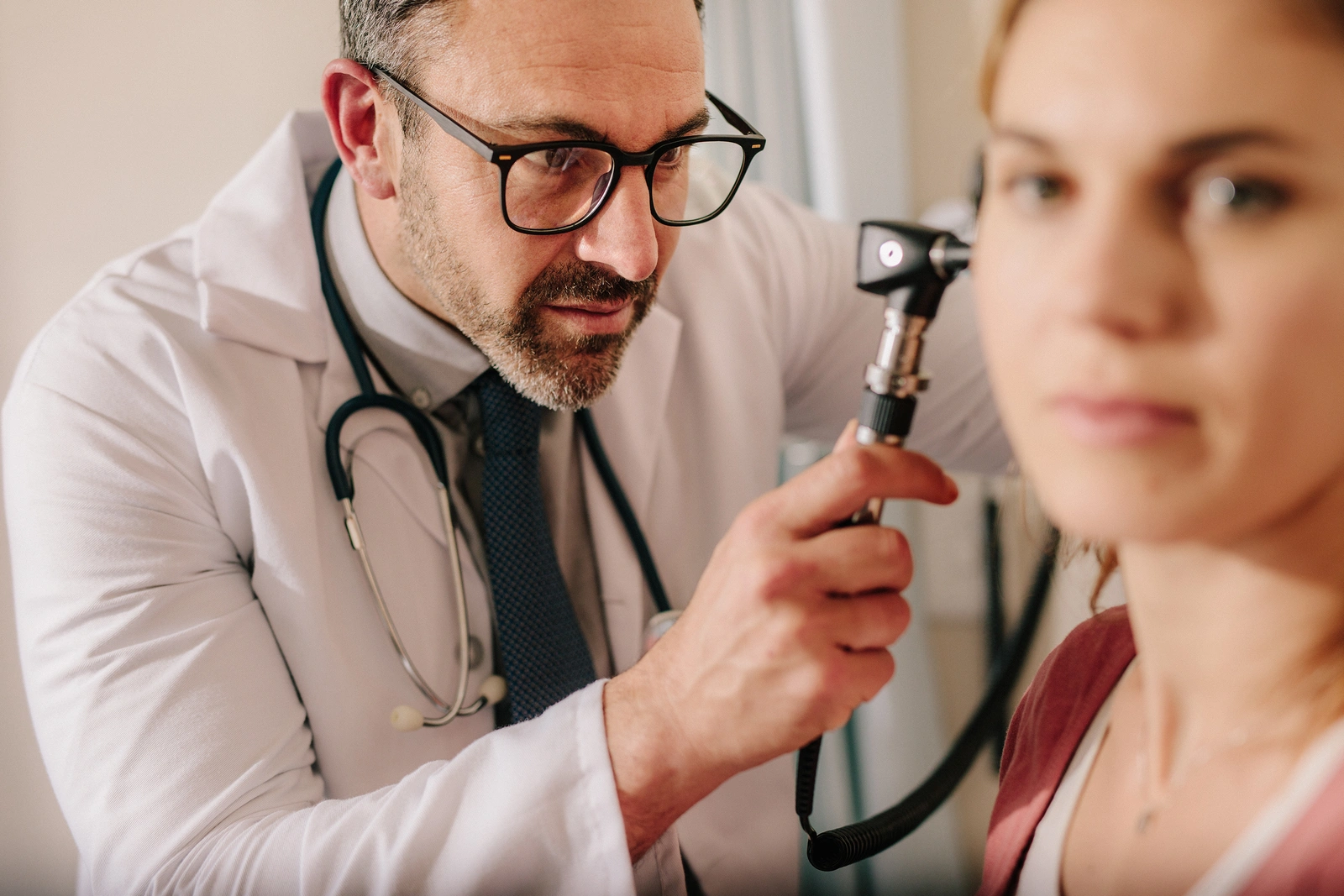
Microsuction is a gentler, more precise method. A pharmacist or trained technician uses a small suction device under direct visualisation to remove the wax. It is quicker than irrigation, typically takes 10 to 15 minutes, and is safer because the practitioner can see exactly what they are doing.
Microsuction does not use water, so it is suitable even if you have a perforated eardrum or grommets. It is more comfortable than manual removal and works well for impacted wax. The main trade-off is cost: microsuction is a private service and not available on the NHS.
South Ealing Pharmacy offers microsuction earwax removal. You can book an appointment at a time that suits you, often with same-day or next-day availability. The pharmacist will assess your ear first and advise whether microsuction is appropriate or whether you need to see a doctor.
Who should choose each option
Choose self-care if your symptoms are mild, you have time to wait, and you want to avoid cost. It is a reasonable first step.
Ask your GP if you want NHS treatment and your surgery still offers it. Be prepared for a longer wait.
Choose microsuction if you want fast, safe, precise removal and you are willing to pay for a private service. It is the best option if your wax is very impacted, if you have had ear problems before, or if you need the hearing restored quickly.
When to see a doctor instead
Do not attempt self-removal with cotton buds or other objects—this often pushes wax deeper and can damage the canal. If you have ear pain, discharge, hearing loss that came on suddenly, or a history of ear surgery, see your GP before trying any removal method. If microsuction is attempted and the wax does not come out, or if you develop pain or discharge afterwards, contact your GP.
Common questions
How long does microsuction take?
Typically 10 to 15 minutes from start to finish. You can return to normal activities straight away.
Will it hurt?
Microsuction is usually painless or very mild. You may feel slight pressure or hear a gentle suction sound. If you find it uncomfortable, the practitioner can stop and discuss alternatives.
How much does microsuction cost?
Costs vary by provider. South Ealing Pharmacy can give you a price when you book.
Can I use eardrops before my appointment?
Yes. In fact, using softening drops for a few days before microsuction can make the procedure easier and quicker. Ask the pharmacy for advice on which drops to use.
What if the wax comes back?
Some people are prone to earwax buildup. If it returns, you can book another appointment. Some people benefit from regular maintenance microsuction once or twice a year.
Is microsuction available on the NHS?
No. Microsuction is a private service. However, some NHS audiology services do offer it, so it is worth asking your GP for a referral if you have a hearing problem related to earwax.
Can I have microsuction if I have a perforated eardrum?
Yes. Microsuction is actually safer than water irrigation in this case because no liquid enters the middle ear. Tell the pharmacist about any ear history when you book.
Next steps
If earwax is affecting your hearing or comfort, do not assume you are stuck with it. South Ealing Pharmacy in South Ealing offers microsuction earwax removal with flexible appointment times and same-day availability. A trained pharmacist will assess your ear and remove the wax safely and quickly. Book now to get your hearing back.